Rivers, dirty or otherwise, strike me as providing a phylogenetic metaphor. Whether it is the Jordan, Ol’ Man Mississippi, or The River which Springsteen leaves unnamed, the seemingly unbound flow of water bespeaks one’s connection to a liberating faith shared by others, to the dreams of one’s long-oppressed people, or to a pre-ordained pattern of life that is symbolized by “a union card and a wedding coat.”
This segment is the fifth in a series featuring mountains both real and figurative,
climbs that are successful and not, and water that is varyingly life-giving, dirty, and toxic.
The series narrates experiences of me and of those around me in June and July of 2023.
There is discussion of suicide and other forms of untimely death in this series,
so please stop reading if these matters jeopardize your wellbeing.
If you are in a low spot of this kind, please reach out.
Reach out to me, to anyone you trust, or to the 988 help line.
Successful climbs
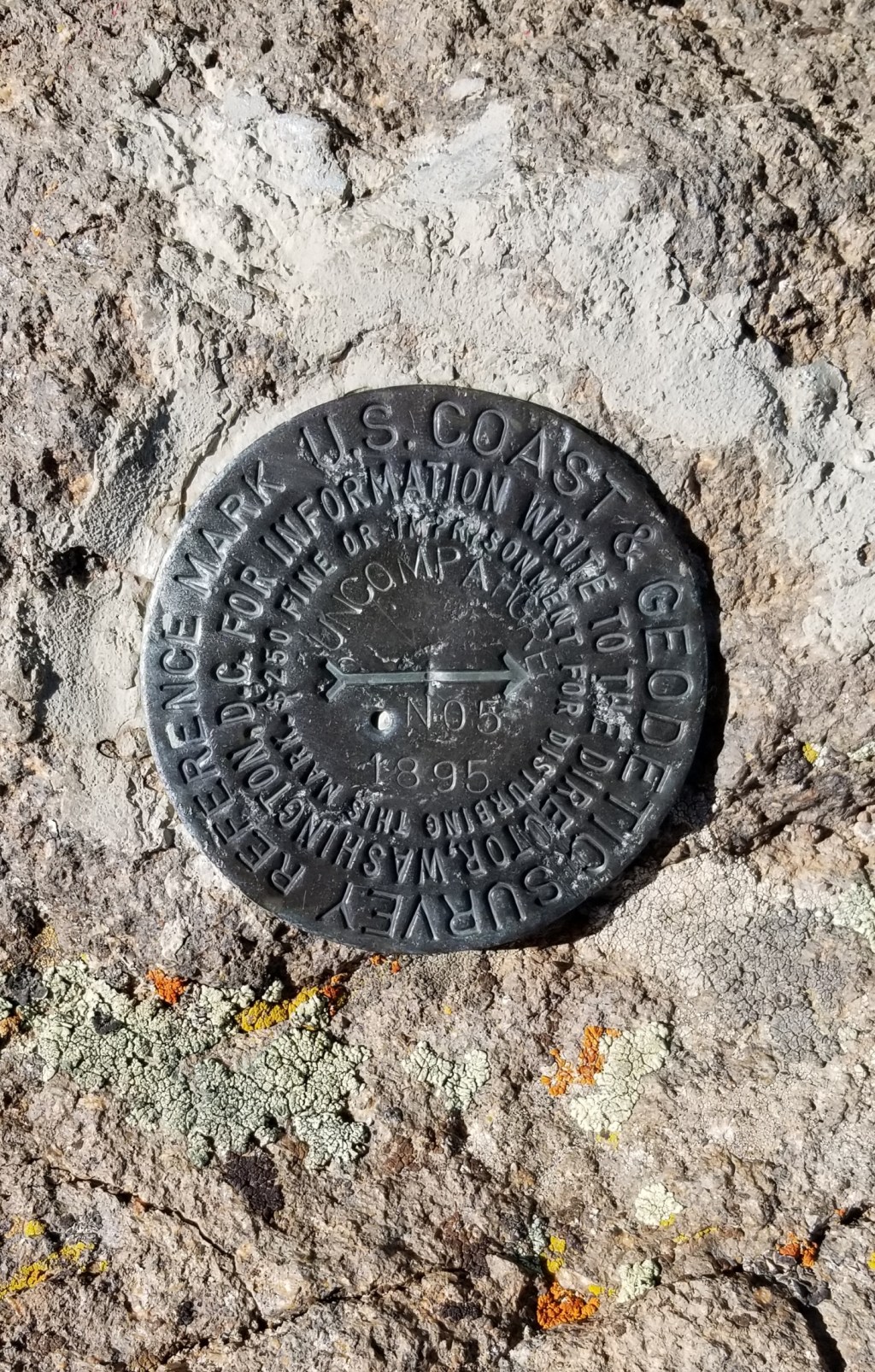
The mountain, on the other hand, persists as a symbol for individual struggle and/or triumph. Tales of scaling the mountain seem commonly to focus on someone’s putative determination, heroism, or grit. Such tales sheer away from the fact that in life’s bigger struggles, the ones where one might otherwise opt for despair and a flight from suffering, it is the love and support of other people that give the means and motive to fight through the present hardship and get to a better place. The Ukrainian family and the father-son duo whom I discussed in my last post represent the truth of interdependence in life’s true climbs.
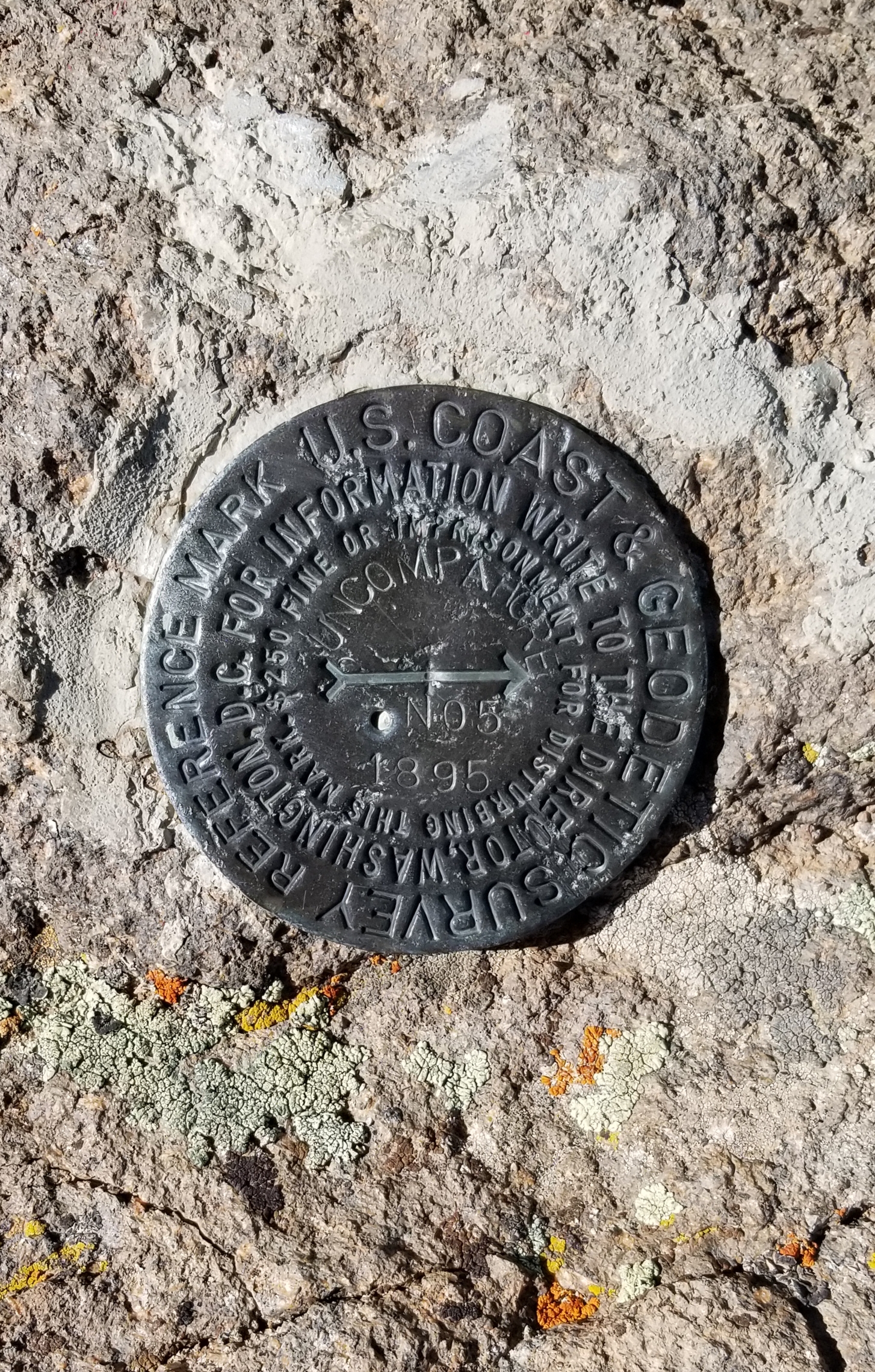
On the flip side of this truth, there is the question of how to give love and support that helps others get through despair and suffering to a firmer footing. There is no helpful app for that similar to the 14ers.com tool with which I can guide myself and a hiking partner up a mountain trail. For a long time in my life, I thought I had an answer to that question: just fix the problem. Fixing the problem lightens the other person’s load, and it makes the fixer feel good. It seems like a great approach, but too often I can’t fix others’ problems (and please let’s not bring my problems into the conversation). In the past, I would find my inability to fix others’ heartbreaks simply excruciating, a scarlet-letter F form of failure. The fight-or-flight response is an accepted truth, but let me ask you to entertain the notion that there is a “fix-or-flee” response: fix the problem for the other person or flee from interactions which remind me that I failed to fix the problem. As I fled, sometimes it ‘helped’ me to forget what I had failed to fix.
The habitual fix-or-flee response to other people’s suffering is something I am still unlearning. I wrote several posts ago of the event that set me looking for a different way of being with the feelings of people in emotional pain. Losing forever a brother by that brother’s choice shocked me with a realization that his suicide was the undiluted form of my own ingrained mindset: not fix-or-flee, but fix-by-fleeing. It is seductive to think that one can fix all one’s problems by fleeing from them forever. But the problems multiply and mutate for those who survive after such a flight.
The nearly 30 years since my brother died then have seen me backslide to using fix-or-flee thinking. Indeed it happens too often, but less often as I come practice simply being with the person in pain, listening in the belief that the acts of being at the side of the person and hearing their words can be enough to repair the moments of crisis, even when one cannot ‘fix’ or undo the cause(s) of the pain.
If youhave read the second segment of this series recently, you know of the figurative mountains that my children were facing. If not, reading further here will make little sense without knowing that my son in Gunnison was dealing with the aftermath of a co-worker’s suicide, and that my daughter in Lafayette was helping her closest friend (C) plan her father’s funeral following his sudden death, and that this had happened just days before C was due to visit him and conduct the planning for her wedding. In that segment I also relayed that my son had enough of a sense that he needed support that he had traveled down from the high country, first to have time with his special someone and then to seek some comfort at home. My wife was able to offer that, and also to relay to me what our son was facing. My daughter was there to look out for C, and my wife looked after them both. And my daughter helped my wife deal with a plumbing leak that had appeared on the day I left for the fields to fulfill my responsibilities during wheat harvest. From 320 miles away in Kansas, I hadn’t been able to do much for any of them during the week plus a few days during which this all unfolded.
When the mid-harvest shutdown occurred, I took the opportunity to get there. Son and I had dinner after my hike. But, tired, (he from his workday, me from the exertion of the hike), we kept it an early night. We spent the next day together reconnecting at the farmer’s market in Crested Butte and then with a round of disc golf, but we did not directly address his co-worker’s death then. To wrap up our time together, Son prepared dinner at his apartment, which gave us the privacy and time to talk openly about what had happened dealing with that loss.
It may be obvious how that loss might skew the world, both for my son personally, and for his relationships with his other co-workers: each of them had had a different relationship with the young man who had died and, and they each had different ways of expressing (or denying) grief. Some of the crewmates who were closest to the dead young man held a version of the ‘cowboy up’ mentality for dealing with hardships, but were not finding it a workable approach to this kind of difficulty.
This skewing or disorienting of normalcy had certainly been the experience for my siblings and parents and all affected by my brother’s suicide. When my son and I spoke about his present loss, much of what I could contribute (aside from simply listening) was what had been my truth in the past: for me personally, it was hard to accept that a brother who had saved my life when I was caught in a riptide (way back in my childhood) would not find me standing beside him when his life was at risk, or seemingly did not know that I and so many others needed him in our lives. No, I was far away and doing far too little to maintain viable relationships with him or other family members. Guilt is one variant of the emotional violence that suicide inflicts upon the survivors of the deceased. It, along with the other forms of emotional harm that come to parents, siblings, children and other loved ones and friends, can result in an impulse to run further away from such connections. A person feeling guilt cannot, in such an instance, “fix it” and may (as I did) want to flee connection lest I fail another loved one or friend similarly.
While that had been my default flight response, I had the sense that it was not unique to me. My son in fact suggested that in the week and few days since the death of his co-worker, there were interactions and situations which immediately called the young man to mind, and yet what ensued was silence and looking about more than speaking of the young man and risking speaking from and of true feelings. And yet on the other hand, when their boss had offered them the optional extra day’s work on Saturday, a few like my son had chosen to take the shift not for overtime, but rather out of a feeling that being together on the job was a necessary thing. It seemed likely that my son and his coworkers might take quite some time either to come to understand or be able to share what they were feeling, but I knew that he, at least, wanted to get to that point, to the point of feeling and giving voice, not fleeing and covering over.
In the intermediate term, I suggested, it would involve remembering and speaking aloud of the best parts of what his co-worker brought to the work team, even when he feared that others had greater closeness to the young man or were displaying (or hiding) greater personal loss than he might feel. He would, perhaps, risk being judged. In my past loss, my niece, my father, and two of my brothers had had much nearer connection to my dead brother in his last years and days, and his death was a deeper wound for them. While I had no answers to their why… ?, how… ?, and what if… ? questions, I struggled to include myself in their answers to the pivotal question: what now? I told my son that it was not an easy thing for me, but that in the moment and even more in hindsight it was the right thing.
My son is a good, kind, and strong person. He is that and more, and what I shared with him may have been superflous. Perhaps the moment called for more listening and less talking from me. However that may be, I was confident that he would make his way up along the climb that he faced when he went back to work the following day. The months between late June and the present show him to be doing so, but it was and is important to me that he not feel alone in the uphill trek.
The day after dinner with my son, I chose to extend my stay in Colorado and head home to do what I could in support of my daughter and C (who had been joined by her fiancé). I did this without professional guilt, since the fields were still too wet for harvest to resume. C, my daughter, and C’s fiancé had managed a great deal already, with just a few logistical tasks to complete. Chief among these was gathering, packing, and shipping keepsakes and belongings that C had collected from her dad’s home. And they needed, as much as possible, time to rest, to feel, to be fed and cherished. All that happened, and I got to use my above-average spatial relationship skills to load and shrinkwrap the pallet of belongings for secure transport.
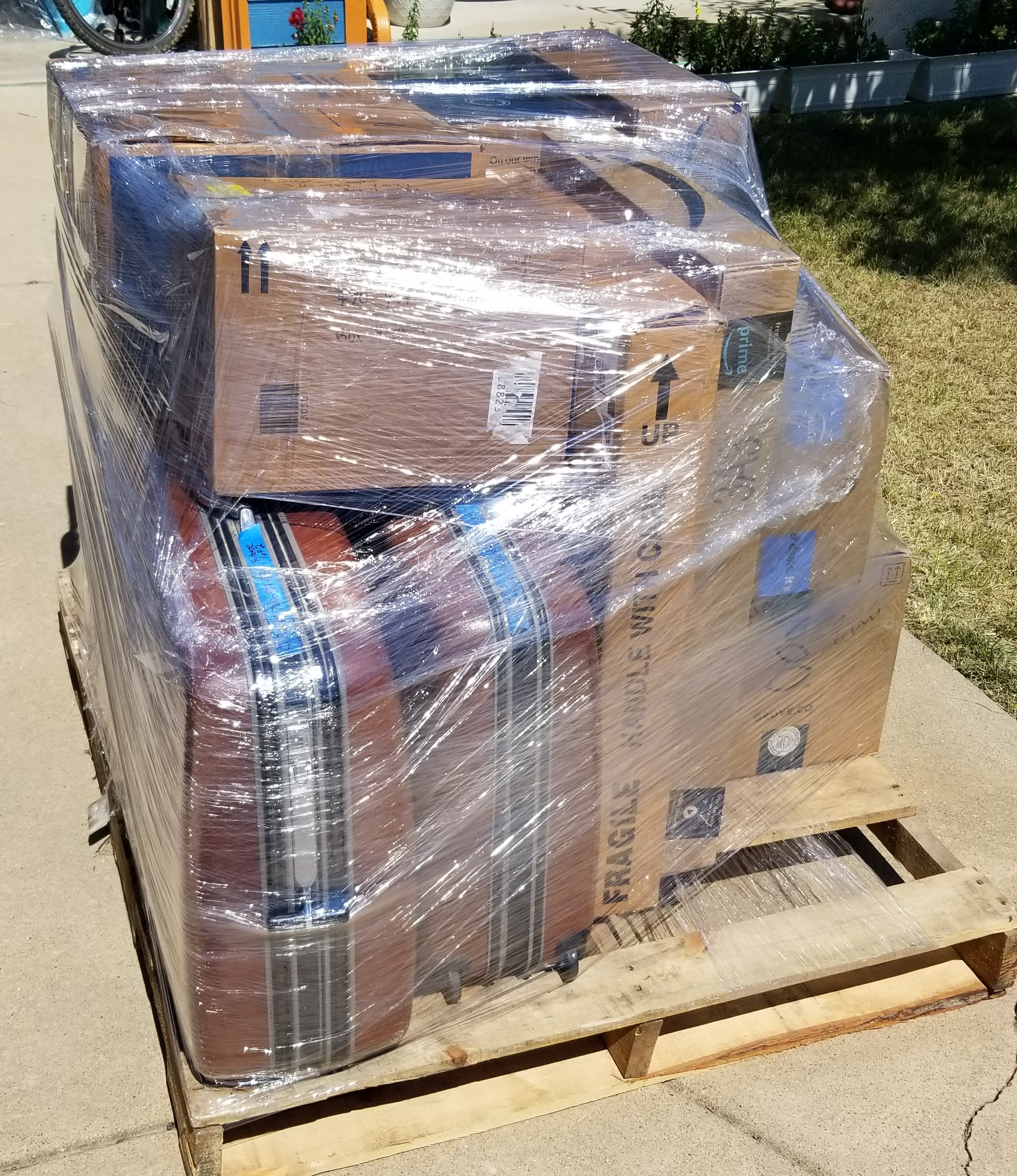
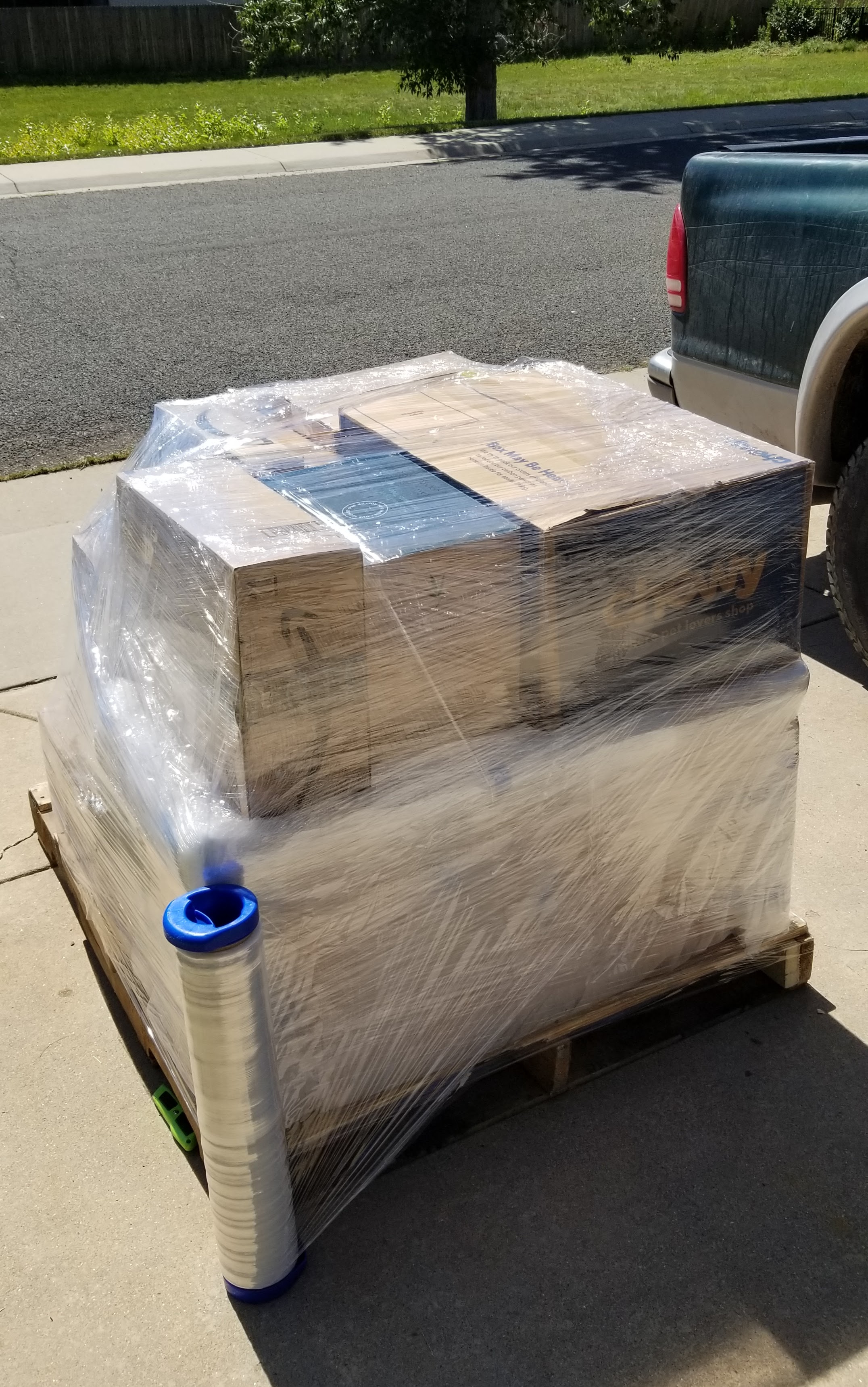
I was able to do so before I returned to Kansas to finish up harvest duties, and saw C launched on her trip back to Oregon, where she is making her way in life with her fiancé by her side. (The shipment of keepsakes and life treasures reached her intact.) My daughter, too, made her way back to Kentucky, there to attend to job, cat, volunteering, and being the kindest of friends to her people there. Their climbs back into everyday life got underway and going well. We’re counting down to August, when we’ll have much joy as we celebrate C’s wedding.
If you enjoy what you’ve read, please post a comment. Likewise do so if you were troubled by it. Or use the contact button to send me a private message. And to have you subscribe to The PHurrowed Brow using the link below, well, I should like it of all things!
 The PHurrowed Brow
2 responses to “Water, Mountains, Climbs: V”
I am profoundly moved by your honesty, your revelations, and your self-examination in this post. It takes real courage to allow others to see our pain and your openness about your experiences offer a kind of paradigm for others coping with similar struggles.
I’m glad you were able to be there for the people you love when they needed you and sorry for the shocking loss and grief of your brother’s suicide — and for the weight of that loss that you carry still. I think the “skewing or disorienting of normalcy” is another taboo topic around which we skirt. The distortion — or perhaps realignment — of perspective lasts much longer (for life?) than our pull-up-by-your-own-boot-straps society wants to acknowledge. I shall be thinking about this post for a long time.
And your palette-wrapping skills will become the stuff of legends.
LikeLike
[…] him for the rest of the time ‘til the bus would come. (Yes, I was again falling into my habitual ‘fix-or-flee’ response.) I had not fixed any problems for Hillman, and I had started to feel like an intruder in his […]
LikeLike