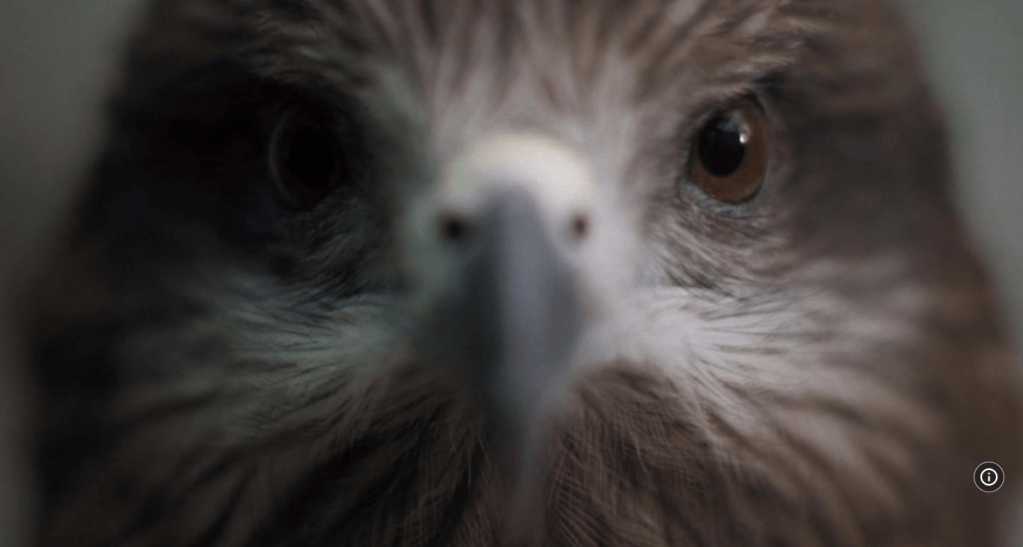
A valuable drug helps me regain near 20-20 vision. A podcast/radio program reveals that this compound has almost extinguished a critical species of birds because of its overuse in large-animal veterinary medicine. Finally, I see that millions of people in the U.S. benefit from that same medicine in an over-the-counter topical gel. The drug is a thread entwined with several others in strands that stretch from Denver virtually to Delhi, then in real life to the Caribbean and back.
This is the final post in a subset which centers upon vision, and more particularly what we
can or will choose to see. More importantly, it spotlights the consequences
of how our field of vision shapes how we interact with other beings on our
adventures in the world. It is part of a series stretching from Dec. 3rd
forward to the 24th. If the post seems to lack context, I’d encourage you
for continuity’s sake to go back and read earlier ones
in order of their publication.
IV. Honoring All That Breathes
Sometimes you don’t go on adventures. At times, adventures find and grab you right where you live. They come in the form of challenges that arrive on your doorstep or are discovered already within your home. You may choose to run from them. Or choose not to run. Such challenges, even when freely adopted as adventures in your life’s journey, may at times be overwhelming. Yet they may become the defining mission of your life.
Such are the adventures of Nameed and Saud. These two brothers in Delhi, India, choose to devote their lives to saving thousands of birds, all carnivores and/or scavengers which other bird rescues or veterinarians will not treat.
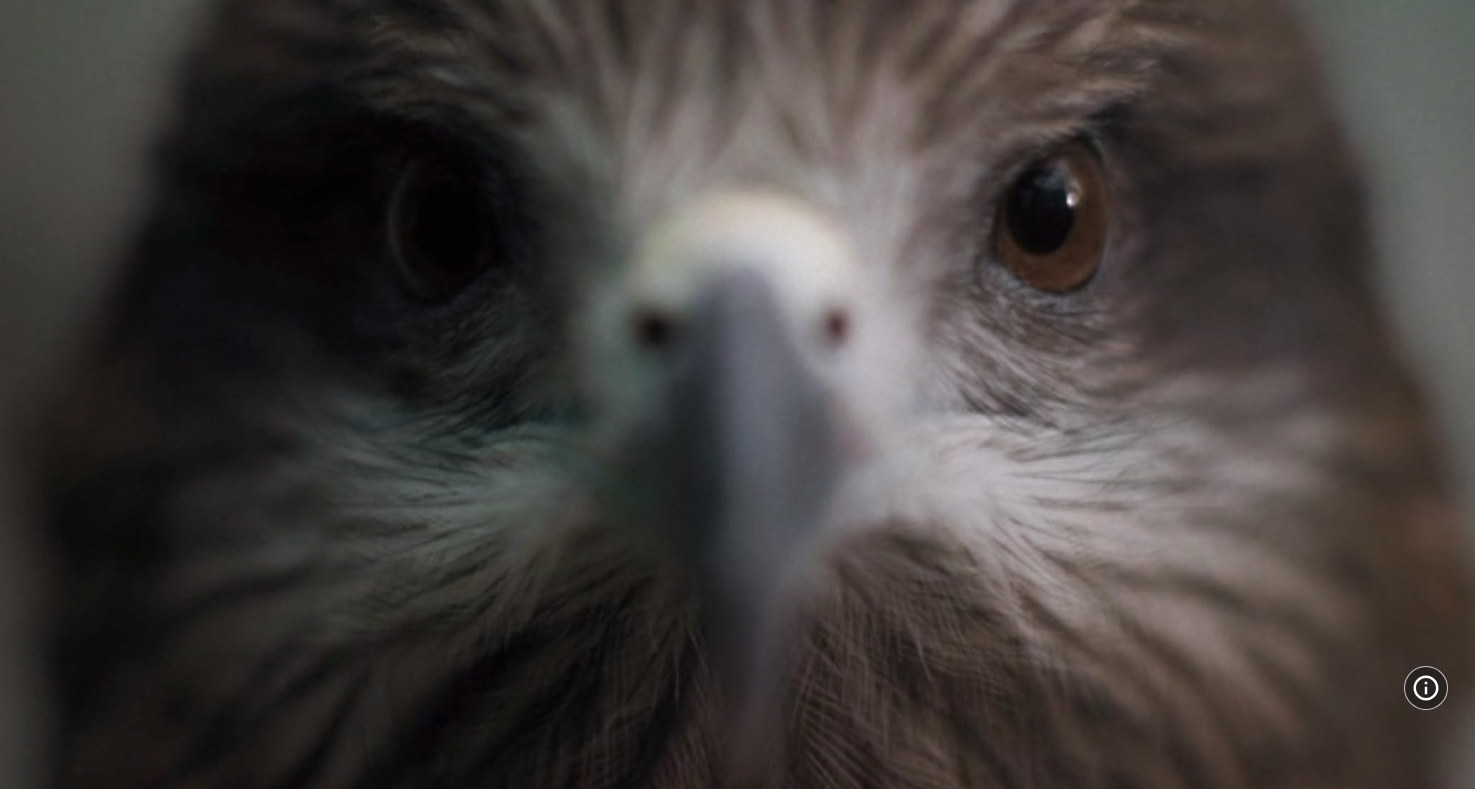
The brothers do face overhelming challenges. Inelegance notwithstanding, the context of their lives and actions may be best conveyed by this list:
- In the 2+ decades since the diclofenac die-off, the black kite population has ballooned and filled the ecological niche voided by the nearly extinct vultures and griffons.
- Delhi is a massive and massively populated city, with tenuous boundaries between the domains of animals and that of humans. Humans keep animals within and outside their homes, and animals from insects to reptiles and from rats to dogs to swine make their own lesser homes where they can on and under the earth, in the streams, and in the sky.
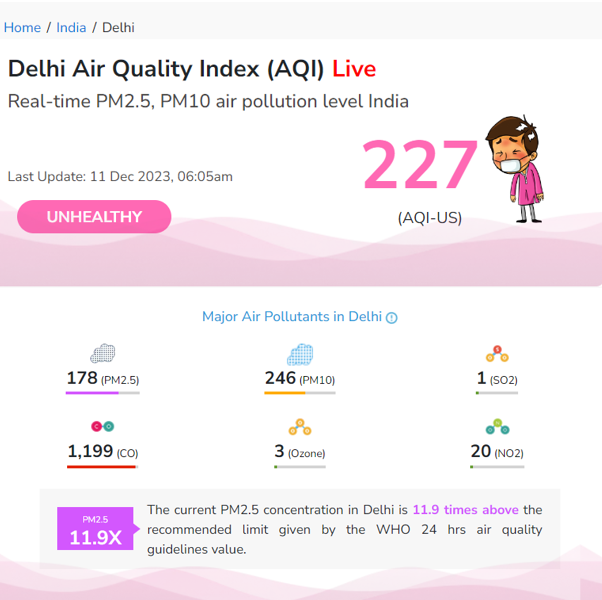
- In the decades since the die-off, Delhi’s air quality has deteriorated to the point of lethality. At times, humans can only breathe safely indoors while running air filtration systems. Birds, including kites, owls, and the few remaining vultures, fall from the sky because of the toxic air and due to other injuries. A glimpse at the air quality statistics for Delhi, especially the two PM (particulate matter) indices, make evident the peril that attends being able to see what we breathe due to material suspended in it:
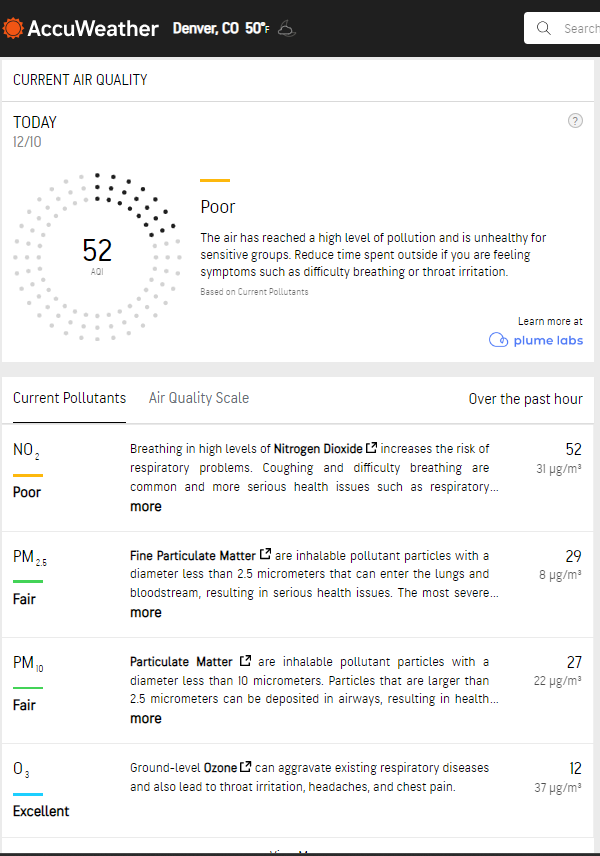
Here is Denver’s AQI for today for comparison. Denver’s air today, though quite clear, rates as poor. Delhi’s particulates are 6 times higher, and fine particulates are 9 times those of the air that I am taking in.
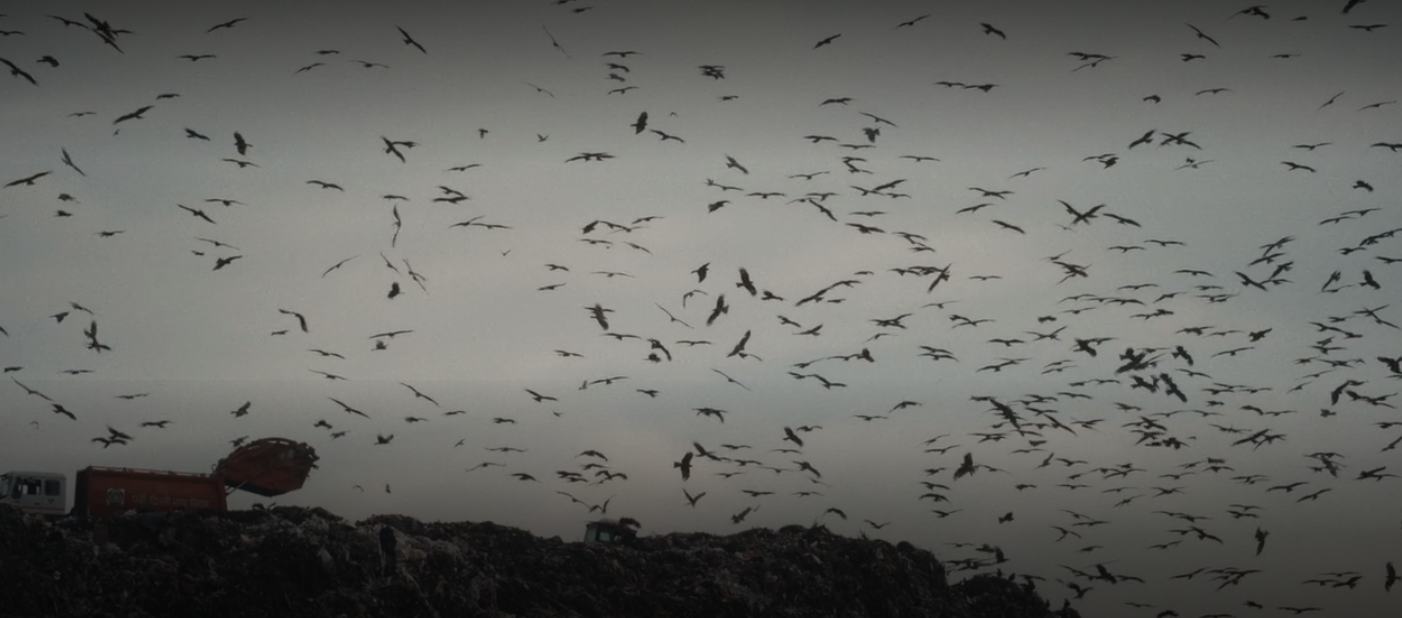
- Black kites play a particularly vital role in diminishing Delhi’s massive waste. Further, they help prevent the sorts of contagions that come from decay. Literally thousands of kites swarm the sky over Delhi’s dump, which itself rises hundreds of feet into the air.
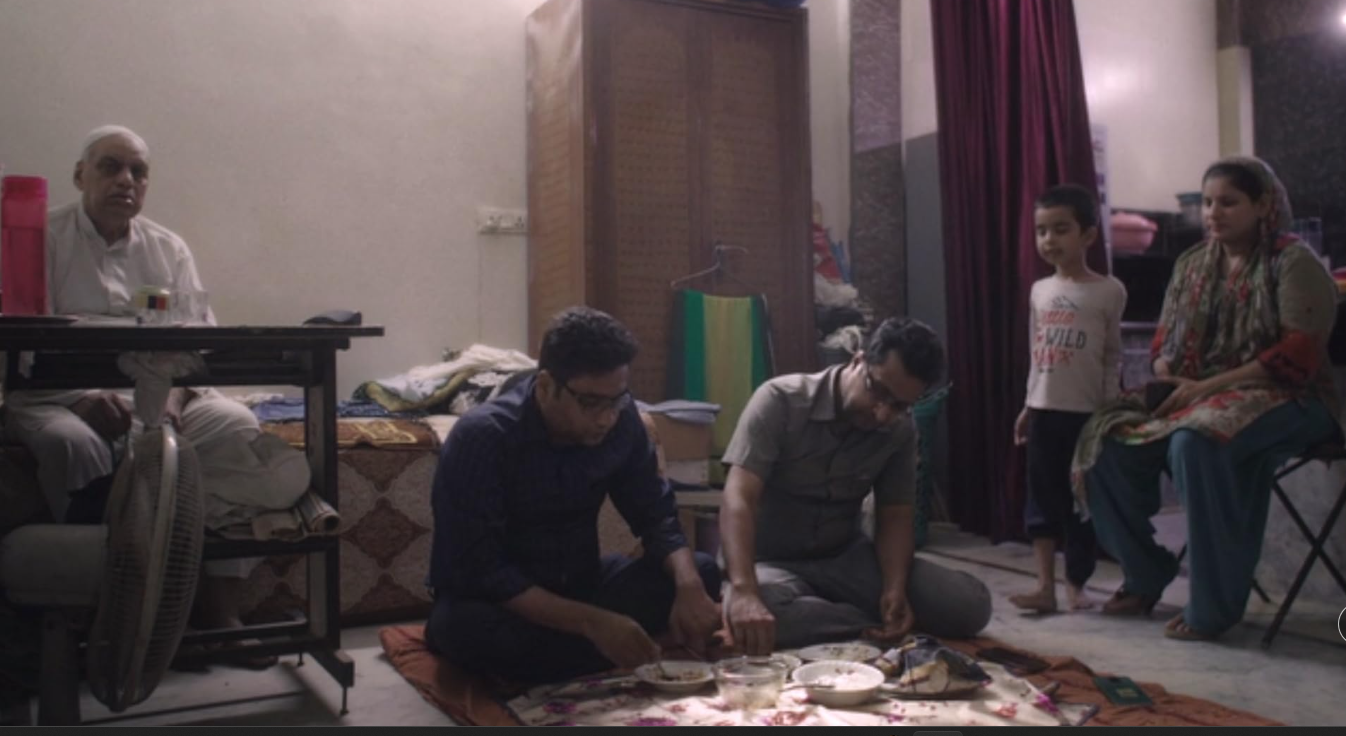
- Nameed and Saud operate a rescue operation for these predatory birds from their multi-level row house. Their basement has a room that functions as a clinic. On the other side of the basement, they run their family’s business making soap dispensers.
- The business supports both the family and the rescue: while the brothers receive meat scraps from a local processor at a discounted price, the brothers themselves pay for the medicines and equipment needed to rehabilitate the birds. And the birds are kept in aeries on the rooftop of the family home until ready for release.
- The brothers live on the middle floors, each with his wife and child(ren), and their aged father lives with them, too.
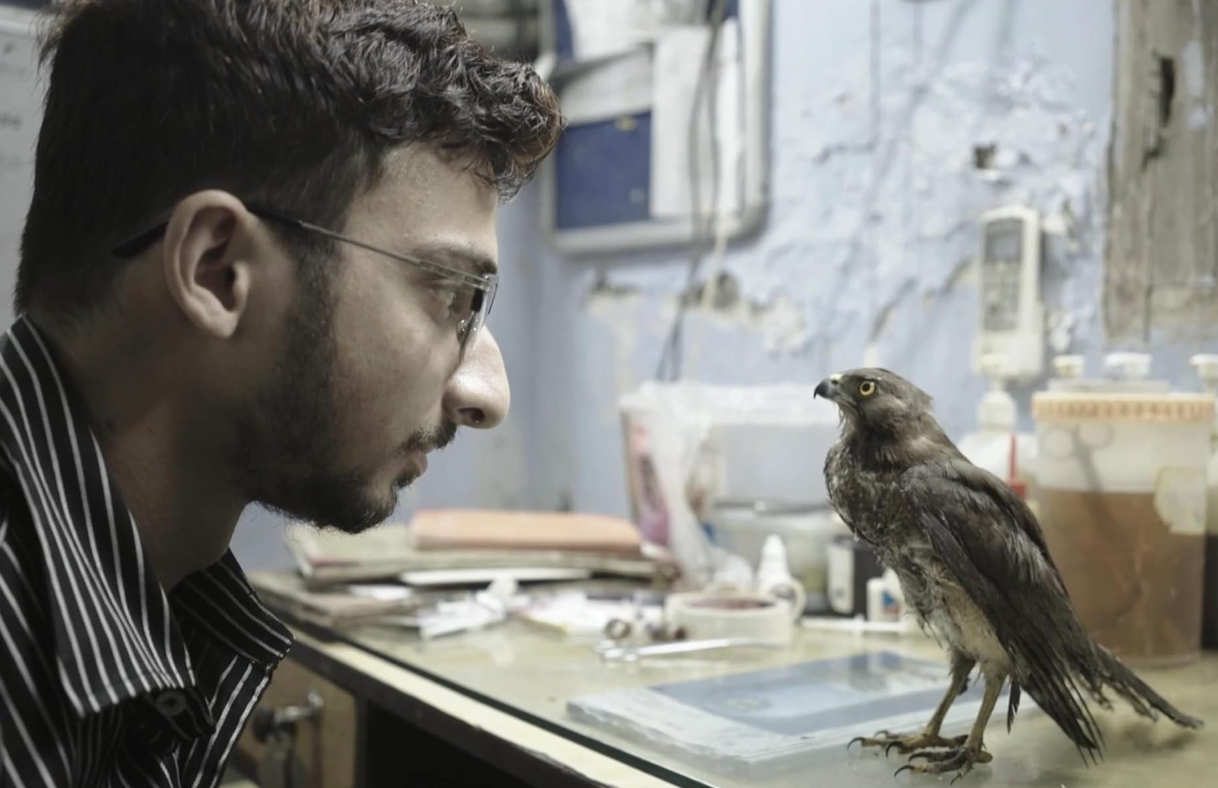
- They employ a kind young man named Salik in the rescue (and anonymous men in the manufacturing business). Salik’s primary job is fetching disabled birds from a network of people who hold them until they can be rescued. On a single day when the air quality has been particularly bad, Salik brings in 28 (!) ill and injured kites.
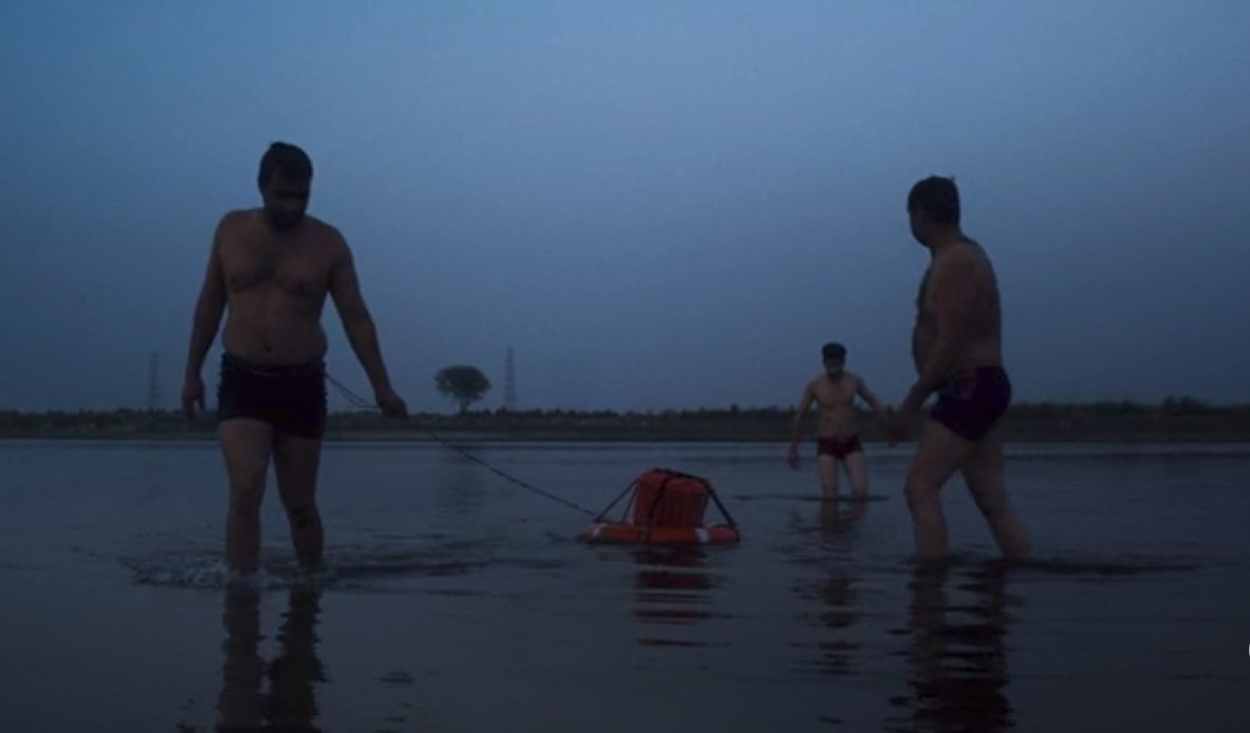
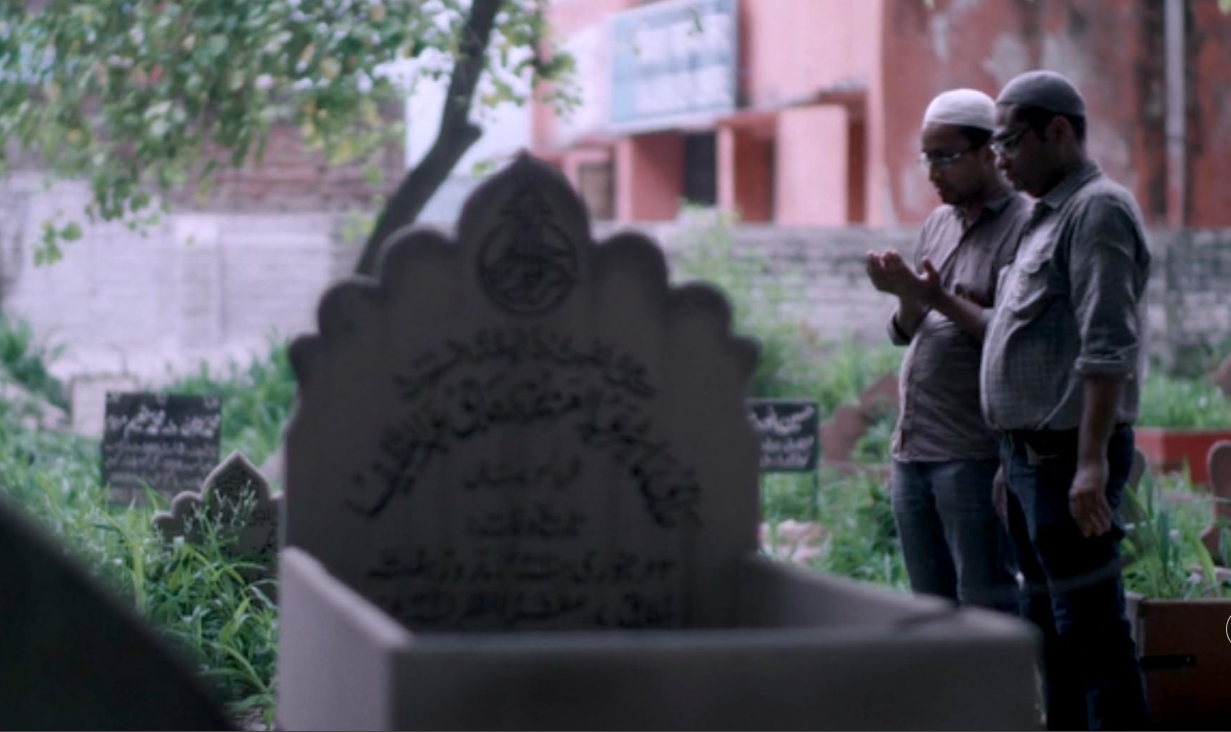
- The mother of the two is deceased. The brothers visit her grave often. She was the powerful figure who inspired them with the beliefs that guide their rescue. Saud credits her at one of their gravesite visits:
“We came to animals and science through our late mom’s fables about ghosts and holy spirits: the ‘cat saint’, ‘vulture shrine’, spirits that appeared as snakes and insects. One shouldn’t differentiate between all that breathes. Trees, fungus, or vegetation, natural and supernatural worlds were mixed for her.”
In late 2019 and early 2020, two events bring dramatic change to the lives of the brothers and all around them:
- India’s government, under the control of the Hindu nationalist party BJP, pushes through an amendment to India’s Citizenship Act, by which migrants to India are separated into two tracks. Non-Muslim immigrants from neighboring countries are given a fast track to refugee status and the protections which come with it. Migrants who are Muslim, on the other hand, will lose all access to legal standing as refugees. Nameed and Saud are Muslim, and their family’s legal status is suddenly in jeopardy. They are in effect, ex post facto and without any adjudication, cast into unlawful status as “illegal migrants,” as the U.S. Commission on International Religious Freedom summarized the outcome for Muslims who do not alrady possess Indian citizenship.
- Demonstrations close to their home in Delhi are held against the passing of the law. The demonstrations are violently suppressed, and armed groups of nationalist Hindus retaliate against the demonstrating communities, inflicting looting, arson, assault and gunfire to indimidate, frighten, impoverish, and kill. The BBC offers one description of the February, 2020 violence.
- Just before the violence, Nameed and Saud gain international attention for their humanity towards kites and other carnivorous birds. A (paywalled) story in the New York Times brings them notice in the west in early February, 2020. After previous denials of foreign grants which they had sought to fund their operation, the attention that comes from the Times article helps them break through and gain the necessary funds.
- With the grant money, the brothers are able to rent a separate building. It is decrepit, and requires much labor and money to refit. On the day that it is finally ready, the brothers and their team transfer 172 (!) birds to the rooftop aeries in their new facility.
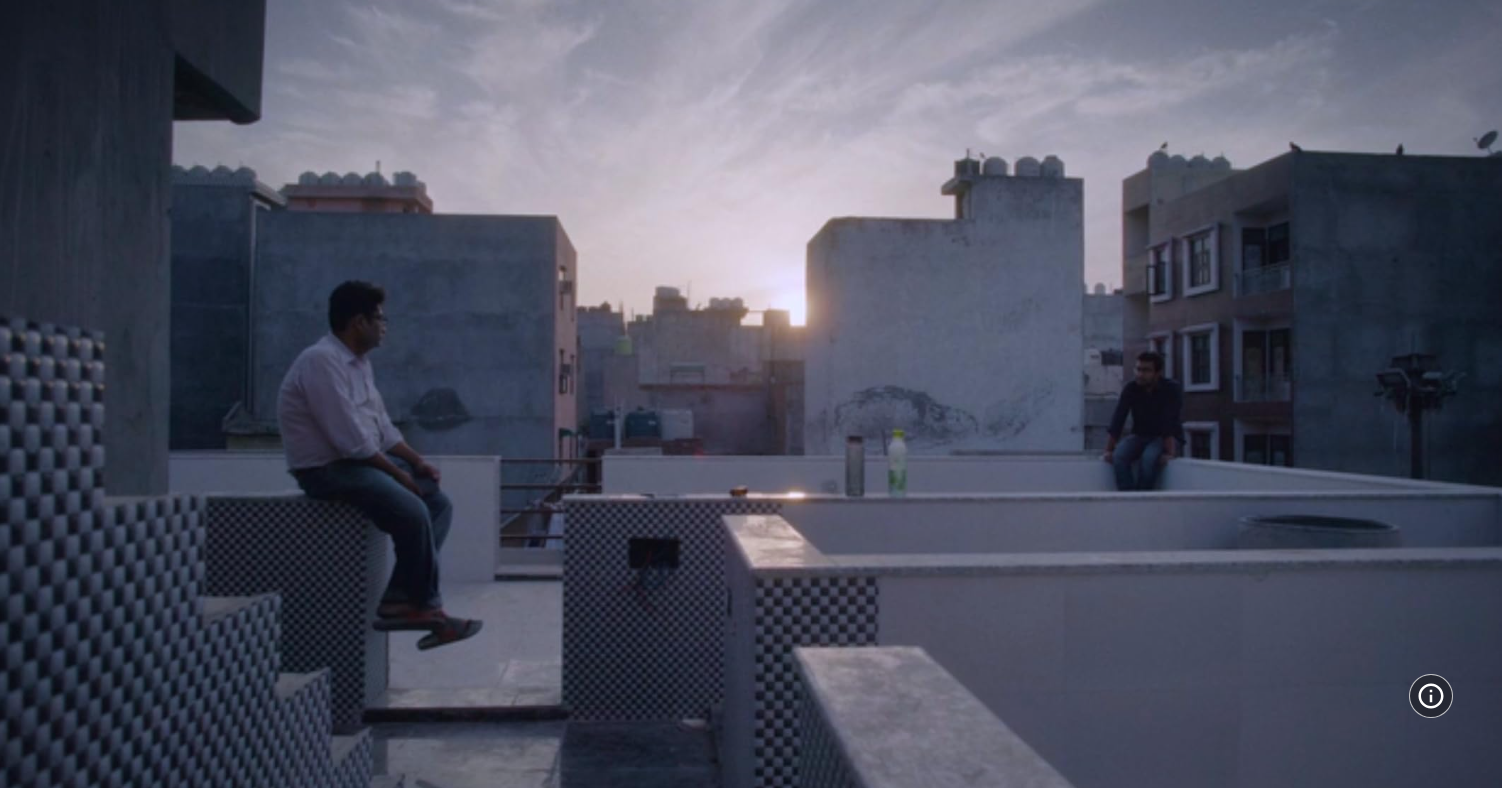
As construction of the new facility near completion, the brothers take stock of the moment. They don’t talk about the difficulty of what they’ve done, or discuss the tensions in the world or the tensions between them. In this moment, all tensions and difficulties fall away. The brothers share a single thought and share a single sentence. Nameed begins, “If mom could see this…” “… it was her deepest wish,” Saud ends.
The adventures of Nameed and Saud shows them truly honoring all that breathes. You may learn more about current operations of the brothers’ rescue and/or donate to it at their website, raptorrescue.org/. And I encourage you (perhaps repetitively) to watch the trailer All That Breathes.
To the best of my knowledge, it is only available on HBO or its paid streaming service MAX, or for rental or purchase on Amazon Prime. You may find it well worth it to experience the full telling whereby you can join and celebrate this worthy adventure!
If you enjoy what you’ve read, please post a comment. Likewise, do so if you were troubled by it. Or use the Contact button to send me a private message. And to have you subscribe to the blog at the bottom of the page, well, I should like it of all things!
 The PHurrowed Brow
One response to “Seeing What We Breathe”
I have a number of reactions to this post. I am appalled that the people and creatures of Delhi have to breathe such toxic air. I admired Nameed, Saud, and Salik for fighting for the birds and am thrilled that they have finally received grants and recognition for their work. I hope they see your post.
I am touched by the brothers’ devotion to their mother and by the way she inspired them. And I think you for making us aware of all these people and birds and issues.
I hope other readers will post comments so we can start a conversation about all the information and thoughts in your blog.
LikeLike